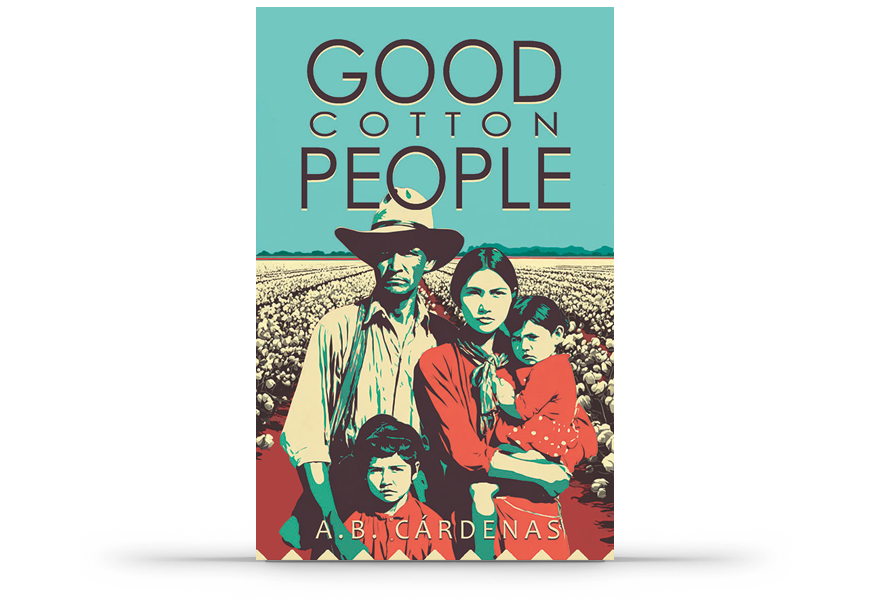
Good Cotton People

Where cotton and conscience collide, one good man bets his soul on the people the world tries to forget.

In 1951 West Texas, aging cotton grower William Allen Littlejohn faces mechanization, memory, and moral reckoning as migrant lagunero families arrive for their final season on his Pima cotton farm, testing whether one good man’s quiet defiance of racism and exploitation can redeem a legacy rooted in slavery and empire.

About

Where cotton and conscience collide, one good man bets his soul on the people the world tries to forget.

In 1951, mechanization, chemicals, and federal policy are transforming American agriculture. Veteran Texas cotton farmer William Allen Littlejohn faces a wrenching choice: modernize or retire and thereby end the livelihoods and community his farm has long provided for his workers. His compassionate treatment of los laguneros—migrant cotton workers from La Comarca Lagunera in Mexico—sets him apart from neighboring growers who exploit migrants as disposable “rented mules.” William’s secret inheritance, his rejection of his family’s slave‑owning legacy, and his quiet, idiosyncratic faith frame his farm as a rare humanitarian refuge whose days are numbered by history’s advance.

Meanwhile, Don Tenorio Tovar and Don Francisco Montemayor, lagunero migrants who flee revolutionary violence in Coahuila in 1910 and build new lives in Tecolote in South Texas. Drawing on generations of cotton expertise, Tenorio becomes a respected labor contractor and community leader, while Francisco parlays mechanical skill into a small trucking company that transports workers and cotton across West Texas. Both families endure exploitation, racist exclusion, company-store debt, immigration raids, and the profound wartime loss of sons who die serving the United States in World War II.

These histories are intertwined on the Littlejohn farm, where cotton work becomes both a trap and a ladder: grueling seasonal labor that sustains deep poverty yet also finances education and eventual escape for the workers’ children. Against a backdrop of boom‑and‑bust cotton markets, New Deal farm policy, and evolving technology, Good Cotton People raises questions about race, class, faith, nationalism, and moral responsibility. 

Details

Category: Historical Fiction

Publication Date: November 10, 2026

ISBN (paperback): 978-1-965766-73-6

ISBN (ebook): 978-1-965766-74-3

List price:  $24.95

Category: Fiction/Small Town & Rural

Pages: 434

Trim size: 5.5 x 8.5

Publication date: November 10, 2026

Reviews
Graciela Mari Salinas, M.Ed.

"Adolfo Butch Cárdenas is a South Texas storyteller whose work preserves the voices, traditions, and lived experiences of Mexican American families. His earlier collection, Por La Calle North Claremont: Beto Stories, introduced readers to vivid barrio characters and culturally rich narratives rooted in community and memory. In Good Cotton People, Cárdenas continues this tradition, exploring the resilience, pride, and deep familial bonds that shape life in South Texas. Through folklore and heartfelt storytelling, he honors a heritage built on hard work, faith, and enduring strength."

Veronica Morón, St. Mary's Academy Charter School

"Set in the cotton fields of the Pecos Basin in Texas during the 1950s, Good Cotton People brings to life the grit and endurance of the families who worked the land. Cárdenas captures the raw reality of cotton farming by exposing the quiet sacrifices of those who picked the fields while illuminating the faith, perseverance, and pride that sustained these communities. Though decades have passed, the heartache and challenges faced by minorities still echo today, reminding us of the shared struggles and humanity often overlooked in headlines. Cárdenas preserves stories too often untold, honoring the strength, dignity, and enduring spirit of the Texas border communities."

About the Author

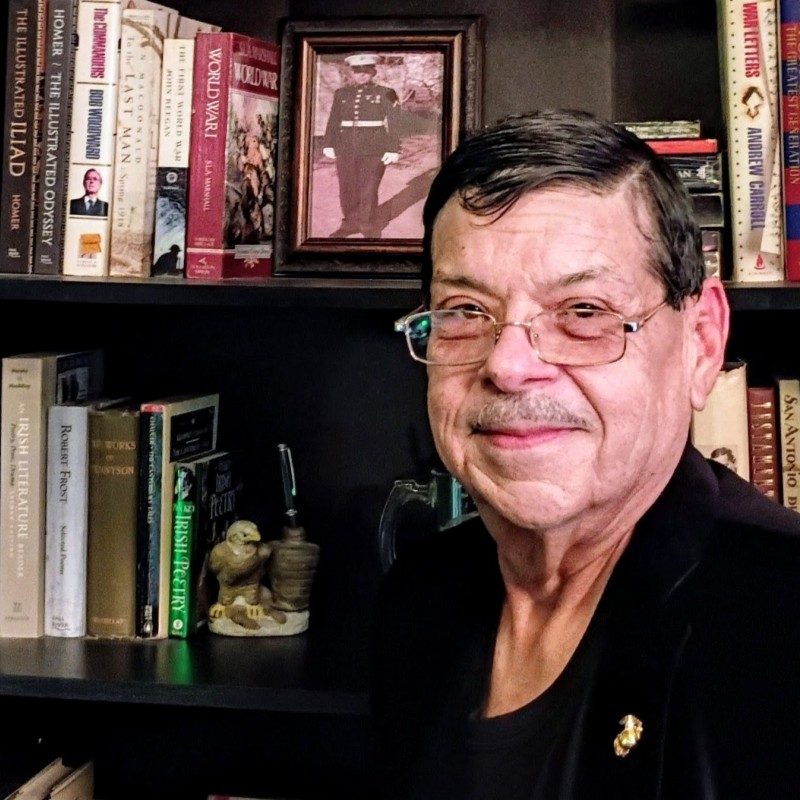
A.B Cárdenas

A South Texas native and former Vietnam War era Marine, Adolfo Butch Cárdenas is an award-winning newspaper journalist who has worked throughout the Southwest and Mexico. In 1991, while at the Beeville Bee-Picayune, he was awarded first place by the Gulf Coast Press Association for a feature chronicling his flight aboard a Navy FA/18 Blue Angel. Along with colleagues at the Bee-Picayune, he earned several first-place community news awards from the Texas Press Association for coverage of military a military base closure in Beeville beginning in 1989. He covered border issues, including the North American Free Trade Agreement, for the Laredo Morning Times.
Cárdenas is a 2005 honor graduate from Texas A&M–Corpus Christi with a degree in English and a minor in creative writing, and he completed his graduate coursework in composition and rhetoric. While in graduate school, Cárdenas worked as a technical writer and his short stories and poems were published in the university’s literary journal series Puentes. His Young Adult Literature book, Por la Calle North Claremont: The Beto Stories was published in 2012 by Floricanto Press.
In 2024, Cárdenas retired after fourteen years at Northwest Vista College in San Antonio, tutoring English composition, rhetoric, and research. He continues working on several other writing projects including the novel Hollywood Marine based on his experiences during 1973 bootcamp at MCRD San Diego.


Reviews

Graciela Mari Salinas, M.Ed.

"Adolfo Butch Cárdenas is a South Texas storyteller whose work preserves the voices, traditions, and lived experiences of Mexican American families. His earlier collection, Por La Calle North Claremont: Beto Stories, introduced readers to vivid barrio characters and culturally rich narratives rooted in community and memory. In Good Cotton People, Cárdenas continues this tradition, exploring the resilience, pride, and deep familial bonds that shape life in South Texas. Through folklore and heartfelt storytelling, he honors a heritage built on hard work, faith, and enduring strength."

Veronica Morón, St. Mary's Academy Charter School

"Set in the cotton fields of the Pecos Basin in Texas during the 1950s, Good Cotton People brings to life the grit and endurance of the families who worked the land. Cárdenas captures the raw reality of cotton farming by exposing the quiet sacrifices of those who picked the fields while illuminating the faith, perseverance, and pride that sustained these communities. Though decades have passed, the heartache and challenges faced by minorities still echo today, reminding us of the shared struggles and humanity often overlooked in headlines. Cárdenas preserves stories too often untold, honoring the strength, dignity, and enduring spirit of the Texas border communities."